Differences between trail running and road running
When you love running it doesn’t really matter much where you do it, on the road or trail, as long as you’re running. But what are the differences between road and trail running? Is one better for your health than the other? What are the differences in equipment, especially shoes?
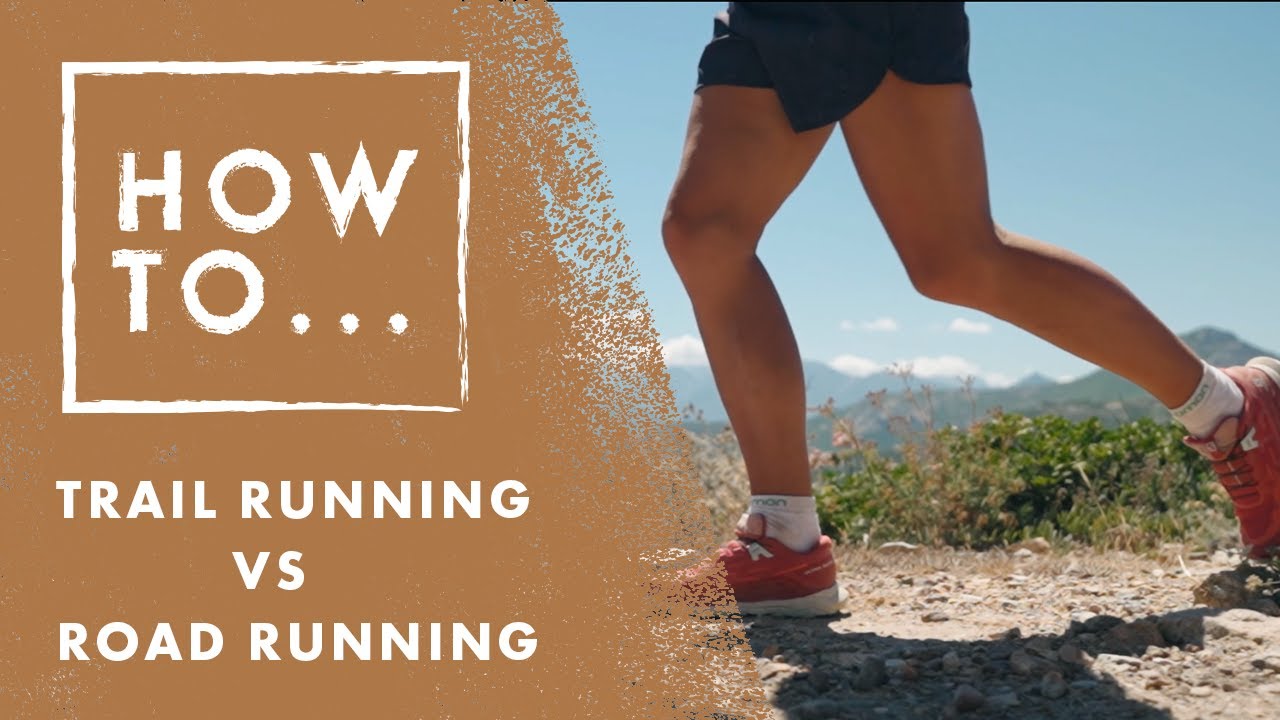
To begin, we should really try to define the two activities. We fully understand there’s a whole lot of grey area between trail and road running but for the sake of argument, we’ll call road running any kind of running that’s done on a paved surface while trail running takes place on uneven terrain (including a jog along a mellow path in the middle of a city).
Having said that, we also want to emphasize that these days, advances in equipment have come so far that runners can pretty much run anywhere with anything. Clearly, some running shoes are designed specifically for particular uses but the point we’re trying to make is that it’s more a question of comfort and what kind of experience you’ll have. So, if you find yourself in the middle of a city with the time to do a quick loop around downtown but all you have with you is a pair of trail shoes then dude, lace those puppies up and go!
Check out “Road running stories & guides” including articles and videos.
Check out “Trail running stories & guides” including articles and videos.
Key factors to consider for different running environments
When choosing running shoes for road or trail running, consider these key factors:
- Fit and Comfort : Ensure the shoes fit well, with enough room for toe movement and a snug heel.
- Cushioning : Road shoes should offer ample cushioning for shock absorption on hard surfaces, while trail shoes require less cushioning but should protect against rough terrain.
- Support and Stability : Select shoes that provide adequate arch support and stability to match your foot type and running gait.
- Traction : Trail shoes need aggressive outsoles for grip on varied terrain, whereas road shoes should have smoother soles for pavement.
- Durability : Consider the shoe's material and construction for longevity based on your running environment.
- Weight : Road running shoes are generally lighter to enhance speed while trail running shoes are usually a bit heavier because of the additional protection and durability requirements.
Differences between neutral and stability running shoes
Neutral and stability running shoes differ primarily in support and design:
- Support : Neutral shoes offer minimal arch support and are designed for runners with a neutral gait, providing cushioning with less additional structural support.
- Design : Stability shoes incorporate features like medial posts or dual-density foam to correct overpronation, offering extra arch support and midsole stability to guide proper foot alignment.
Overall, neutral shoes focus on cushioning and flexibility, while stability shoes provide added support to prevent excessive inward foot rolling.
Cushioning options in road running shoes and trail running shoes
The wide variety of cushioning options can significantly impact your running experience and effort level:
- High Cushioning : Provides greater shock absorption, enhancing comfort and reducing impact on joints, making this feature ideal for long distances. However, it may slightly increase effort due to added weight and reduced ground feel.
- Low Cushioning : Offers a lighter, more responsive ride, improving speed and energy efficiency for shorter or faster runs. It provides better ground contact and feedback but less impact protection, potentially increasing strain on joints and muscles.
Choosing the right cushioning depends on individual preferences, running distance, and performance goals.
Many trail runners prefer shoes with low stack height for their increased agility, enhanced feel for the terrain, and superior stability. However, there has been so much progress made in technology recently that your shoe’s cushioning now performs more like a suspension system that supports different loads without instability.
Trail running shoes with deep lugs and more precise fit
Trail shoes have evolved from road shoes as a way to better adapt to the trail environment. For instance, while road shoes feature relatively flat outsoles for increased speed and traction on smooth surfaces, trail running shoes feature lugged outsoles to increase grip on loose, uneven, and slippery terrain.
In addition, road shoes usually have a wider, more comfortable toe box, while trail shoes generally fit closer to the foot to maximize precision and control when trying to move quickly over technical, uneven terrain. However, it’s also true that shoe brands have heard the demands of trail runners with wide feet and are supplying more models in a wide-width option. Again, it’s all about what works best for you so if you prefer a snug toe box in your road shoes or more wiggle room in your trail shoes, then that’s def what you should do.
Hybrid and door-to-trail running shoes
Hybrid running shoes, also known as door-to-trail running shoes, combine features of both road and trail running shoes to offer versatility for mixed-terrain running. Here are their key characteristics and differences from dedicated trail running shoes:
- Outsole : Hybrid shoes have moderately aggressive tread patterns, providing traction on trails while remaining comfortable on pavement. Dedicated trail shoes have more aggressive, deeper lugs for superior grip on rugged terrain.
- Cushioning : Hybrid shoes balance cushioning for road comfort and protection for trails. They generally have more cushioning than trail shoes but less than road-specific shoes.
- Upper : Hybrid shoes feature durable yet flexible uppers to handle trail debris and provide comfort for road running. Trail shoes have reinforced, rugged uppers for maximum protection against harsh trail conditions.
- Support : Hybrids offer moderate support, suitable for varying surfaces. Trail shoes provide robust support and stability specifically designed for uneven, technical trails.
Hybrid shoes are ideal for runners who frequently transition between road and trail, while dedicated trail shoes are best for primarily off-road running.
Rotating running shoes for performance improvement
Rotating between different running shoes based on run type can enhance performance by:
- Reducing Injury Risk : Varying shoe stress on muscles and joints.
- Optimizing Performance : Using cushioned shoes for long runs to enhance comfort and lightweight, responsive shoes for speed work to improve pace.
- Extending Shoe Life : Alternating usage, preventing excessive wear on a single pair.
Transitioning between road and trail running
Transitioning between road and trail running involves specific techniques:
- Gradual Transition : Slowly increase trail running time to adapt to uneven terrain.
- Strength Training : Focus on strengthening ankles, calves, and core for stability.
- Pace Adjustment : Expect slower paces on trails; focus on effort rather than speed.
- Footwear: Use appropriate shoes for each surface.
Other equipment
Differences between road running clothing and trail running clothing
Clothing for road running and trail running are for the most part quite similar, however you will find certain functionalities on trail running clothing like pockets for nutrition and gear, as well as gaiters for trail shoes to keep out debris. Road running attire focuses on lightweight and breathable fabrics for speed and comfort on smoother, more predictable surfaces and you’ll almost always find reflective elements for increased visibility in urban environments.
Mental aspect
While the mental differences might not be as apparent, for some people they can be some of the most profound – it all depends on what the runners want to get from their run. And because no two runners are alike, these differences are often quite personal. For instance, some people like to run solo, while others enjoy the communal aspect of club runs. Some runners won’t leave the house without headphones, while others look forward to the opportunity to escape from all technology for a while. But despite all the differences, there are some common threads. For instance, many trail runners enjoy hitting the trails as a way to escape the urban environment and reconnect with nature. And because running on technical trails requires you to focus 100% on your footwork, it’s the perfect way to completely clear your head and escape the stress of everyday life for a while. Check out our article about the five benefits of road running.
On the other hand, running on a smooth, paved surface means it’s easier to zone out and let your mind wander. Of course, it goes without saying that you have to remain aware of hazards like traffic and deviations in the road surface but even with a certain amount of awareness, road running is still a great way to jack your brain full of endorphins and let your mind wander. Road runs are the perfect way for travelers to unwind after a long flight and at the same time, it’s an awesome way to get the feel of a new city.
At the end of the day, running – whether it’s on the road or on the trail – is all about disconnecting from the pressures of daily life, relieving stress, getting outside in the sunshine, rain or snow, finding the flow, and tapping into a primal instinct that today’s societal demands do everything possible to suppress. Or hey, it could simply be about burning calories and staying fit. Regardless of the reason, the important thing about running, whether road or trail, is that you do you!Learn more on our
Stories & Guides running page.
Trail Running Shoes Trail Running Clothing Trail running belts and packs
Originally published 11 Jun 2021
Related Stories
See all stories


